
Solid stone walls no longer protect your fortress – modern cybersecurity requires watchtowers and guards
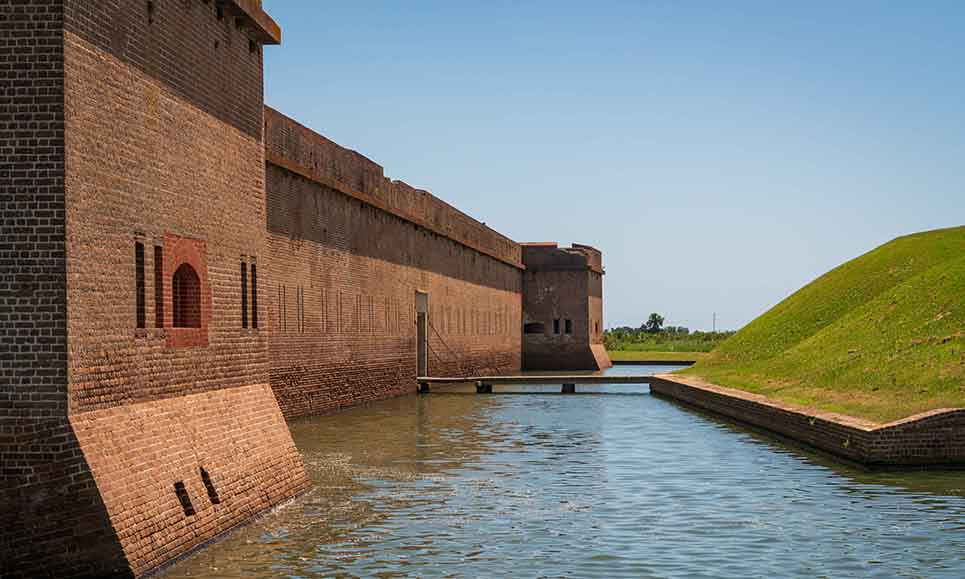
The world around us has changed faster than many of us ever anticipated. Not long ago, cybersecurity was all about building a fortress. Today, that fortress is under constant attack, breached by ever-evolving methods.
One factor above all defines the current cybersecurity landscape: artificial intelligence. It is not only a tool for improving business efficiency, but it has also given cybercriminals unprecedented capabilities. With AI, attackers can generate entirely new, previously unseen attack techniques at a massive scale, often designed to exploit zero-day vulnerabilities.
In this new reality, traditional security measures such as antivirus software and firewalls have fallen behind. They are designed to stop only known threats. If an attack is new or changes form on the fly, traditional tools are effectively powerless.
The stakes in this evolving threat landscape are high: your entire business is at risk. If your cybersecurity does not meet today’s minimum acceptable security baseline, you are exposing your organisation to serious risk.
Modern cybersecurity is not a single product but an ongoing process. It is built on three critical pillars that together form the new minimum standard for every organisation.
Threats are detected from the watchtower
The most important element in defending against new, unknown and evolving threats is MDR (Managed Detection and Response). MDR provides round-the-clock monitoring, where experts and AI work together to identify unusual behaviour and anomalies, not just known threats.
MDR is essential because AI-driven attacks unfold in milliseconds. You cannot afford to wait until Monday morning if an attack begins on Friday evening. MDR detects anomalies, such as unusual logins or suspicious data movement, and responds immediately, before damage is done.
Guards ensure intruders never cross the moat
Protecting identities is the second key pillar. This means monitoring the behaviour of both your employees and your machines, including applications, interfaces and AI agents. It also requires strong authentication and continuous access management to ensure that only the right people and systems can access your data.
The key to the treasure chest must be kept safe
The third pillar is protecting your organisation’s critical data. At its simplest, this means knowing what data you have and how critical it is. Data classification ensures that the most sensitive information receives the highest level of protection. This must be supported by robust, tamper-proof backups that are isolated from the rest of the network. If everything else fails, backups are your business’s lifeline.
Are you one step ahead or already behind?
Cybersecurity is no longer a technical detail for the IT department. It is one of the most critical business risks for leadership to manage. By addressing these areas, you move from a defensive stance to a proactive one.
- Update your expectations: Traditional security measures are no longer sufficient in the age of AI.
- Invest in MDR: Your organisation needs 24/7 monitoring and the ability to respond to unknown threats in real time.
- Protect identities and data: Ensure strong authentication, proper data classification and reliable backups.
However, it is important to remember that defence alone is not enough. Protecting against AI-era threats also requires proactive action. This means continuously reducing your attack surface, removing unnecessary software, treating vulnerability management as an ongoing process internally and externally, and training your staff.
Perhaps most importantly, you need the right partner to support your security. A strong partner acts like a proactive cavalry unit, identifying and closing vulnerabilities before they can be exploited.
Is your cybersecurity built for yesterday’s threats – or tomorrow’s reality?
Toni Vartiainen